Supreme Court Gives Trump a Temporary Win on Mail-In Voting, but Legal Fight Continues

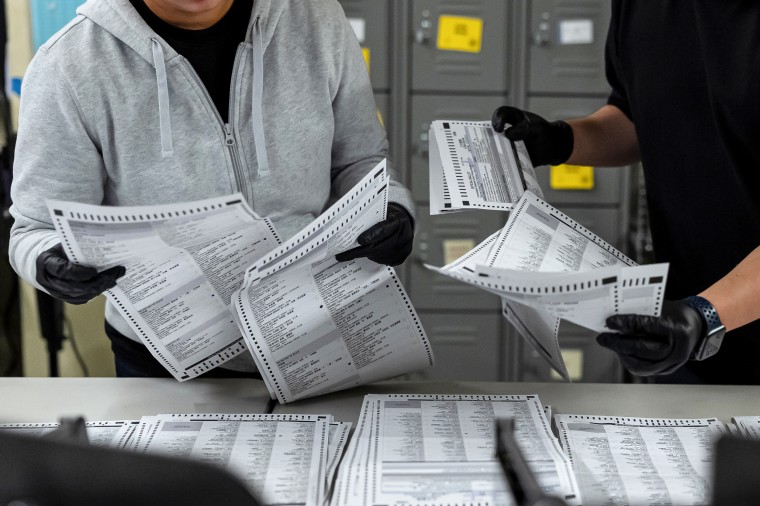
WASHINGTON — The Supreme Court gave a temporary boost to the Trump administration's effort to restrict mail-in voting Monday, lifting an injunction that had blocked key provisions of an executive order aimed at limiting who receives mail-in ballots ahead of the 2026 midterm elections.
The justices, divided 6-3 along ideological lines, ruled that U.S. District Judge Indira Talwani acted prematurely in June when she prevented the administration from implementing its plan to create a federal list of eligible voters and direct the Postal Service to deliver ballots only to those on that list.
The White House called the provisions "commonsense measures." A spokesperson said the administration would continue to "lawfully enact the agenda President Trump was elected on — which includes the safety and security of our elections."
What the executive order seeks
The executive order directs federal agencies to compile a single, verified list of voters eligible for mail-in ballots and requires the Postal Service to deliver ballots only to addresses on that list. Supporters argue this prevents ineligible recipients from receiving ballots; opponents say it creates barriers that could disenfranchise eligible voters, particularly in states with automatic mail-in ballot distribution.
What remains blocked
While Monday's order applies only to the preliminary injunction, other provisions of the same executive order remain blocked nationwide by a separate ruling from the same district judge in a different case brought by the ACLU. That broader challenge could still result in a fuller halt to the policy.
The court was explicit that its ruling was procedural, not substantive. "The court's disposition of this application does not mean that any measure taken by the Government to implement the order will necessarily be lawful. On that score, time will tell," the unsigned ruling read.

State responses
California Governor Gavin Newsom, a Democrat, announced his state will file a new lawsuit. New York Attorney General Letitia James, one of the original challengers, called the decision "a painful setback" but vowed the fight is "far from over."
Twenty-two states and the District of Columbia had joined the original challenge. Alabama and 11 other states supporting the administration intervened in a separate application that was also granted Monday.
Next steps
The Postal Service issued its final regulation implementing parts of the order on Friday, while the case was pending. The Supreme Court's decision means that, for now, the administration can proceed with implementation in the 23 challenging states while litigation continues on the broader constitutional and statutory questions.
Legal experts say the decision's immediate practical impact is limited — states set their own election rules for the most part, and federal agencies have not yet issued the detailed guidance needed for a full rollout. But the order preserves the administration's path through the courts before the 2026 midterms, where election law cases are multiplying across the country.
Source: NBC News, reporting by [NBC News Politics Desk](https://www.nbcnews.com/politics/supreme-court/supreme-court-hands-preliminary-win-trump-mail-ballots-executive-order-rcna590120). Article published August 24, 2026.

Continue reading with a subscription
Get unlimited access to all articles and exclusive content.
Get more articles like this in your inbox
Sign up for our daily newsletter and never miss a story.